Embroidery Versus Printing on T-Shirts: How to Decide
Choosing between embroidery and printing affects how a logo looks, feels and lasts on a garment. The decision rests less on preference than on the artwork, the fabric and the way the piece will be worn. This article sets out the main considerations so you can weigh them against your own project.
By Editorial team of FABA T-SHIRT STUDIO FABIAN SZYMANSKI Published 8 min read
What embroidery adds to a garment
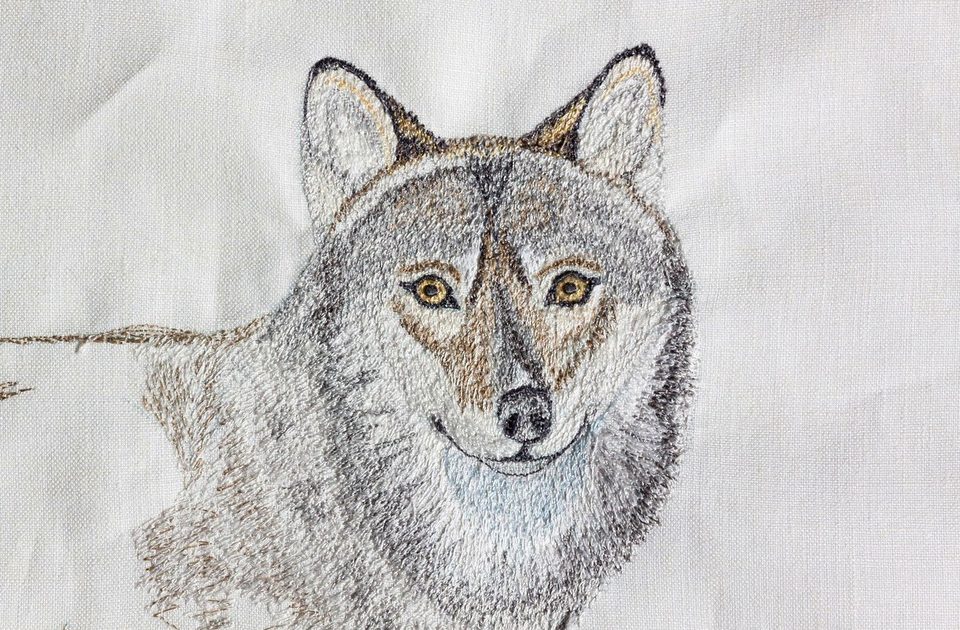
Embroidery builds a logo from threads stitched directly into the fabric, so the design gains physical depth and a raised, dimensional surface. The thread sits within the weave rather than on top of it, which gives the mark a sense of permanence that many people associate with workwear, uniforms and formal branding. Because the colour comes from the thread itself, the result does not depend on ink absorbing into the cloth. This makes stitching a considered choice when the garment is meant to look structured and deliberate.
The character of stitched work also depends on how the thread is laid. Satin stitches create smooth, glossy areas, while fill stitches give a denser, more matte appearance. Outlines and letterforms tend to read crisply when stitched, particularly at smaller sizes where ink might blur. You should consider whether the emphasis of your design is on clean lettering and solid shapes, since these are the features that embroidery reproduces most faithfully.
For many garments, the decision is therefore about the impression you want to create. A stitched mark signals craftsmanship and durability, and it suits polo shirts, caps and jackets where a tailored finish is expected. The thread also holds its colour well over repeated washing, provided the stitching is properly executed. These qualities explain why embroidery is often preferred for logos that need to appear refined and long-lasting on the garment.
Where printed artwork has the advantage
Printed artwork has clear advantages when the design is complex, photographic or built from many colours and gradients. Ink can reproduce fine shading, soft transitions and detailed illustrations that would be difficult or impractical to translate into thread. For artwork that depends on subtle tonal variation, printing usually preserves the original intent more closely. This makes it a natural choice for graphic tees, event merchandise and designs that rely on imagery rather than simple shapes.
Printing is also more flexible when the artwork spans a large area of the garment. A full-front graphic or a wraparound design can be produced without the stitch count rising sharply, since the cost of ink depends less on intricacy than on coverage and colour count. Designs with gradients, halftones or textured effects can be carried across the fabric with a smoothness that stitching cannot easily match. You should check whether your artwork is primarily flat and bold or detailed and tonal.
Printing does, however, sit on the surface of the fabric rather than within it, and its feel and longevity depend on the method and the cloth. Some inks can feel slightly firmer than the garment itself, while others are designed to remain soft. The durability of a print is influenced by curing, fabric composition and washing conditions. Taking these factors into account allows you to judge whether the artwork and the expected use of the garment are well matched to printing.
- Choose printing for photographic images, gradients and detailed illustrations.
- Choose printing for large designs that cover much of the front or back.
- Check that the ink feel suits the intended wear of the garment.
- Confirm that the fabric and curing method support the expected wash cycles.
Logo size and stitch count considerations
Logo size and stitch count are central to the embroidery decision, because they determine both the appearance and the practicality of the finished mark. Stitching works best when the logo has a reasonable scale and clear, separated elements. Very small lettering or fine lines may close up or lose legibility, as thread has a finite thickness and cannot always resolve delicate strokes. Dense areas also increase the number of stitches, which affects production time and the stiffness of the patch. You should therefore review the minimum sizes at which your logo remains readable in thread.
The stitch count rises with the size and complexity of the design, and this has a direct effect on the handling of the garment. A heavily stitched area can pull the fabric or feel stiff against the skin, particularly on lightweight tees. Many embroiderers recommend simplifying a logo before stitching it, reducing colours and removing excessive detail. Your artwork may need adapting for thread, and this step is worth completing early in the planning stage. Providers can usually advise on suitable dimensions for a given design.
Placement and scale also interact with the garment's structure. A logo stitched on the chest of a shirt sits differently from one on a sleeve or the back of a jacket, and the surface beneath the thread influences how the mark settles. Thicker fabrics such as fleece or canvas generally accommodate denser stitching more comfortably than thin jersey. Considering size, stitch density and fabric together gives a more accurate picture of whether embroidery will deliver the intended result for your logo.
Texture and feel on the wearer
Texture and feel are often the deciding factors once the logo design is settled, because the wearer experiences the decoration against the skin for the whole day. Stitched embroidery sits slightly above the fabric surface, creating a dimensional edge that many people find firm and substantial. Its density can make the area feel stiffer than the surrounding cotton, particularly where the stitch count is high or the thread is heavy. Printed ink, by contrast, bonds with the fibres and usually leaves the garment softer, with the print flexing as the fabric moves.
Comfort also depends on placement. A chest logo in dense embroidery can press against the wearer's skin and may be noticeable under a thin base layer, while a printed design spread across the same area tends to disappear into the garment. Larger embroidered areas can also feel heavier and may restrict stretch on lightweight knits. Where the garment is intended for active wear or long periods of sitting, the softer hand of a print is often the more comfortable choice.
Durability in terms of feel matters as well. Embroidery generally holds its shape through repeated washing, but the stitches can gradually soften or lift at the edges if the garment is laundered roughly. Printed ink can crack or become less supple over time, depending on the method and the care given. Considering how the decoration will age alongside the garment helps set realistic expectations for the wearer and avoids disappointment after several months of use.
- Embroidery adds a raised, dimensional texture that is noticeable to the touch.
- Dense stitching can feel stiffer, especially on lightweight or stretch fabrics.
- Printed ink usually leaves a softer hand and moves with the fabric.
- Placement under layers or against the skin influences perceived comfort.
- Both methods are affected by laundering habits over time.
Suitability for hoodies and jackets
Garment type shapes the decision considerably. Hoodies and jackets are thicker and often have zips, seams and hoods that complicate the placement of a stitched design, while heavier fabric can absorb the stitches in a way that looks well integrated. Printing on these pieces can work well on smooth panels, but on textured or pile-finished surfaces the image may appear less crisp. Choosing the decoration with the garment's construction in mind avoids awkward compromises at the finishing stage.
Structured outerwear such as jackets benefits from embroidery in many cases, because the stitches can carry a sense of craft that suits workwear and uniform styles. Hoodies with fleece interiors may still accept embroidery on the front or sleeve, though the backing must be stabilised so the stitches sit cleanly. Lightweight zip jackets with nylon shells are less forgiving, since needle holes can be visible and the fabric may pucker. Testing a sample on the actual garment type is a sensible step before committing to a full run.
Care instructions also differ between the two categories of outerwear. Heavy embroidery on a thick jacket can add bulk, so the total weight and the drape of the finished piece should be considered alongside the logo itself. Printed designs on hoodies are generally lighter in feel, though the print must be compatible with the fabric blend and the expected washing temperature. Each option carries its own trade-offs, and a considered match between method and garment usually produces the most dependable result.
Deciding between stitching and ink
Deciding between stitching and ink is ultimately a matter of matching the method to the artwork, the garment and the intended use. Embroidery tends to suit logos with bold, clearly defined shapes, a premium or workwear character, and garments that will be worn and laundered regularly. Printing suits detailed artwork, gradients, photographic imagery and designs with many colours, and it generally keeps the garment soft and light. A short written brief listing the artwork, fabric, quantity and wear conditions makes the comparison much easier.
Requesting physical samples on the actual garment is one of the most reliable ways to judge the result. Reviewing a stitched sample and a printed sample side by side shows differences in edge sharpness, texture and colour that are hard to assess from a screen. Attention should be paid to how the decoration sits on the chosen fabric, how it feels against the skin, and whether small details remain legible at the intended size. Such testing reduces the risk of costly corrections later.
Once the method is chosen, the final decision should rest on a clear record of specifications, including artwork files, placement, colour references and any notes on finishing. Keeping these details consistent across a run helps the decoration match from the first piece to the last. A considered choice between embroidery and printing, based on the garment and its purpose, supports the appearance and comfort the brand intends to convey.
Key points
-
Feel Embroidery adds a raised texture, while printed ink usually keeps the garment softer.
-
Garment fit Hoodies and jackets each have construction details that influence which method works best.
-
Testing Physical samples on the actual garment are the most reliable way to compare the two methods.
This article is general information and does not constitute professional advice.