Direct to Garment Printing or Screen Printing: Choosing the Right Method
Direct to garment and screen printing both place artwork on textiles, yet they differ in setup, economics and visual results. Understanding these differences helps you match the process to the order rather than the other way round.
By Editorial team of FABA T-SHIRT STUDIO FABIAN SZYMANSKI Published 7 min read
How the two printing processes differ
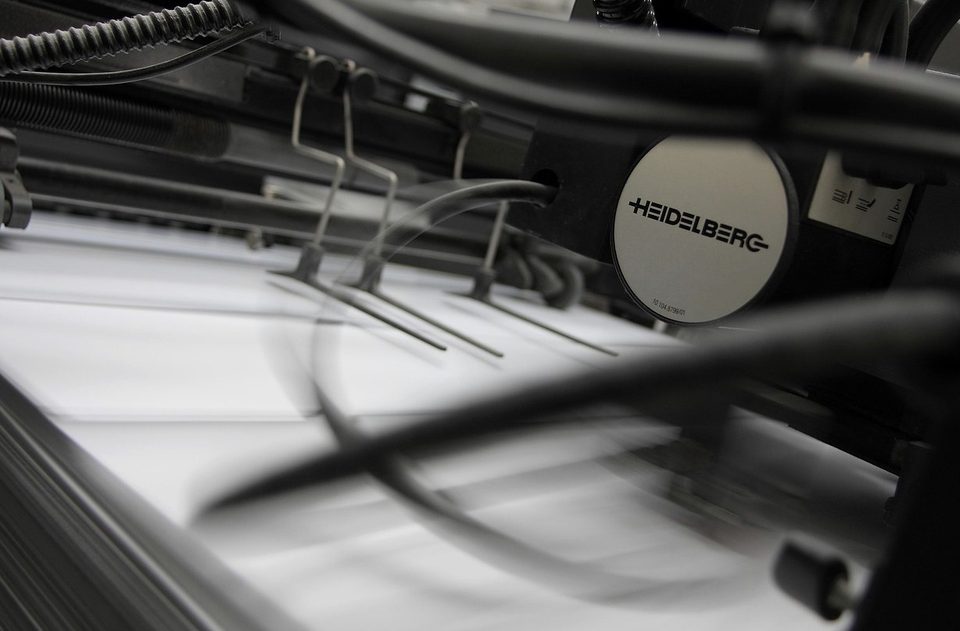
Screen printing transfers ink through a stencil, with a separate screen prepared for each colour in the design. The garment is placed on a pallet and each screen is pressed in turn, so the print is built up layer by layer. This process has been used on textiles for a long time and remains a standard method for apparel production.
Direct to garment printing works more like a large inkjet printer. The shirt is loaded onto a platen and water-based or pigment inks are sprayed directly into the fabric, which allows full-colour artwork to be applied without separating colours beforehand. Because no screens are made, the setup is simpler and the file is printed as supplied.
The practical difference therefore lies in preparation. Screen printing requires screen creation and colour separation before the first shirt is produced, while direct to garment printing moves quickly from artwork file to finished piece. Knowing which preparation steps your order involves makes the rest of the comparison easier to follow.
Run size and cost behaviour
Screen printing becomes more economical as the number of identical pieces grows, because the cost of preparing screens is spread across a larger run. Small quantities can therefore be expensive per shirt under this method. The cost curve flattens once the order is large enough to absorb the setup.
Direct to garment printing has little setup cost, so it suits short runs, single pieces and designs that change between orders. Its cost per shirt is less dependent on the number of colours, which can make it attractive for detailed artwork produced in small batches. However, the time each garment takes on the machine means very large orders may take longer to complete.
When planning a bulk order, compare the total cost of each method at your intended quantity rather than relying on general rules. Ask how setup is charged and whether the quoted price includes artwork preparation. A clear breakdown makes the trade-off between run size and cost easier to judge.
- Screen printing: setup cost is high, per-shirt cost falls with volume
- Direct to garment: setup cost is low, suited to small or varied runs
- Consider the number of colours, since it affects screen printing cost
- Check whether artwork preparation is included in the quote
Colour detail and design complexity
Screen printing produces solid, opaque colour with crisp edges, which suits bold graphics, logos and designs with flat areas of colour. Each colour is laid down as a distinct layer, so the result has a defined, graphic character. Very fine gradients and photographic detail are harder to reproduce this way.
Direct to garment printing handles gradients, shading and complex imagery well because it reproduces many colours in one pass. Fine lines and soft transitions can look natural on light fabrics. Dark garments usually need a white underbase, and the results depend on the fabric and ink used, so sample checks are sensible before committing to a full run.
Design complexity should therefore guide the choice. Simple artwork with a limited palette generally fits screen printing, while detailed or multi-tone designs often fit direct to garment printing better. Reviewing your artwork against these characteristics helps avoid surprises once the garments are finished.
Fabric types each method handles well
Fabric type shapes the choice of method more than most buyers expect. Cotton and cotton-rich blends absorb water-based inks readily, which makes direct to garment printing a natural fit for soft, lightweight jersey. Heavier garments, dark fleece and items with a dense weave can behave differently, because the substrate has to accept the ink or plastisol without bleeding or leaving a stiff film on the surface. Screen printing relies on a thicker ink layer that sits on top of the fibres, so it reads most clearly on tightly woven, smooth surfaces that hold the film evenly.
Polyester and performance fabrics add another variable. Dye-sublimation and certain water-based systems depend on the fibre's composition, and an ink that adheres well to cotton may not bond to synthetic yarn without a suitable pre-treatment. Before committing to either process, it is sensible to ask which inks and curing temperatures a garment supplier intends to use, and whether the chosen fabric has been tested with them. A brief check of the fabric label is useful, but a sample print on the actual blend tells you far more.
Stretch and texture also deserve attention. Fabrics with a high elastic content can distort under the pressure of a screen frame, causing registration drift across a large print, while direct to garment heads pass over the surface without tension and tend to cope better with stretch. Knitted or slubbed textures can break up fine lines in either method. Matching the fabric to the process at the outset avoids disappointing results later and keeps the finished garment consistent with the design intent.
- Cotton and cotton blends suit both methods, with water-based inks often favoured for direct to garment work.
- Polyester and performance fabrics need compatible inks or pre-treatment to bond reliably.
- Heavy or dense weaves may favour screen printing for a firm, opaque surface.
- Highly stretchy knits can cause registration issues under screen frames.
- Requesting a sample print on the actual fabric is the most dependable way to confirm suitability.
Durability and washing considerations
Durability depends on the interaction between the ink, the curing process and the fabric, so the two methods behave differently over time. Screen printing with plastisol or water-based inks, when fully cured at the correct temperature, forms a flexible layer that generally resists cracking and fading through repeated laundering. Direct to garment prints soak into the fibres, which keeps the hand of the fabric soft, but their longevity depends heavily on proper pre-treatment and curing. Under-cured prints on either method are prone to peeling or wash-out, so the quality of the finishing step matters as much as the printing itself.
Washing habits have a large influence on how a print ages. Turning garments inside out, using cool water and avoiding high-heat tumble drying extend the life of most printed designs, whatever the process. Ironing directly over a print, or dry cleaning, can damage the surface and should be avoided unless the supplier has specified otherwise. Because care guidance varies by ink system, it is worth requesting the recommended wash instructions from the producer before the order is finalised, so that the buyer can pass them on to the end user.
Expected wear is another consideration. Printed areas that flex heavily, such as the elbows of a sleeve or the front of a hoodie pocket, can show wear sooner than flatter zones, and screen-printed layers may feel slightly heavier to the touch than a direct print. Dark garments printed with white ink require careful curing to stay bright through repeated washing. Setting realistic expectations about how a print will look after a year of use helps avoid disappointment and supports a more informed decision.
Matching the method to your order
Choosing between the two methods is easiest when the decision starts from the order itself rather than from a general preference. A buyer who needs a small number of garments with a multi-colour, photographic design will usually find that direct to garment printing offers the most practical route, since no separate screens need to be prepared. A larger run of a simple one or two colour logo, where the same artwork is repeated many times, often suits screen printing, because the setup cost is spread across the quantity and the finished print is robust.
It helps to write down the key parameters before requesting quotations. These typically include the approximate quantity, the number of colours, the size and placement of the artwork, the fabric and colour of the garment, and the intended care regime. With this information, a producer can recommend a method and explain the trade-offs clearly. Where an order is part of a larger programme, such as uniforms for several teams or event apparel delivered in phases, it is worth confirming that the chosen process can be repeated consistently across later batches.
Finally, consider whether the design may change. Artwork that is still being refined may suit direct to garment printing, since amendments are made digitally without remaking screens. Settled designs intended for long-term reorders are often better served by screen printing, where the consistency of the result is well established. Weighing these factors calmly, and discussing them openly with a supplier, leads to a method that fits the purpose of the garment and the expectations of the people who will wear it.
Key points
-
Fabric first Fabric composition and weave determine how well each method bonds and how the finished print looks.
-
Care shapes longevity Proper curing and washing instructions have a major effect on how long either type of print lasts.
-
Match the order Quantity, colour count and design stability are the most practical guides when choosing between the two methods.
This article is general information and does not constitute professional advice.